
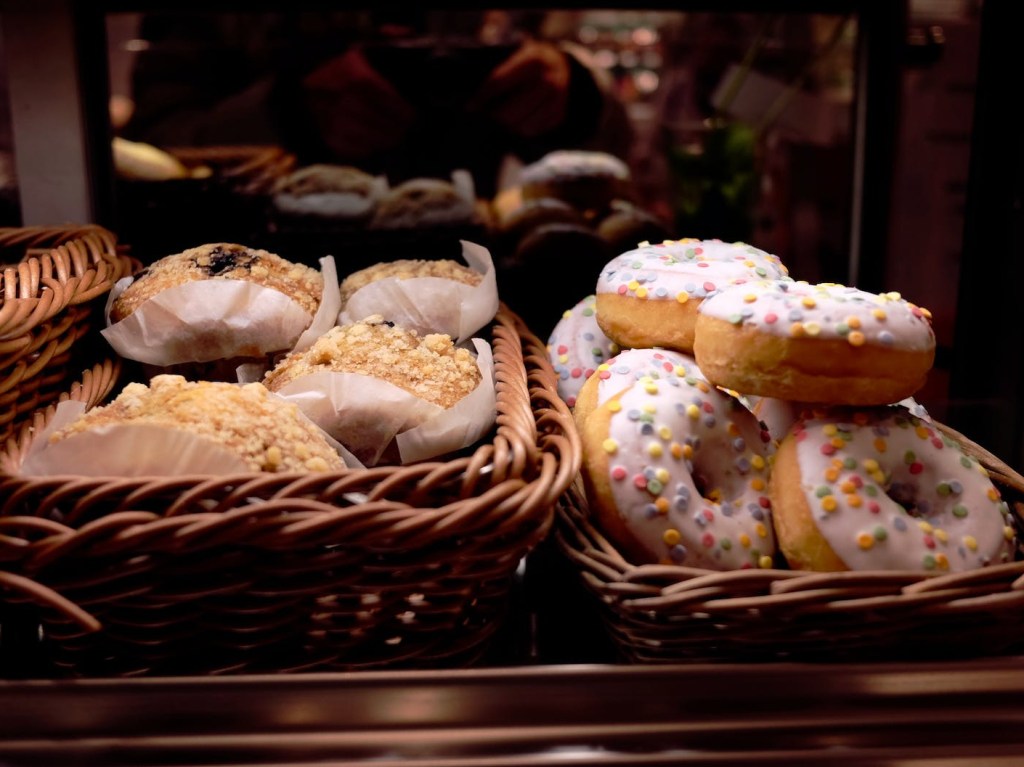
Donuts have long been a beloved treat, satisfying our sweet cravings for centuries. But have you ever wondered what makes a donut so irresistible?
Behind every donut lies a perfect balance of chemistry and artistry. In this article, we’ll dive into the science behind donuts and unravel the secrets behind creating this sweet breakfast treat.
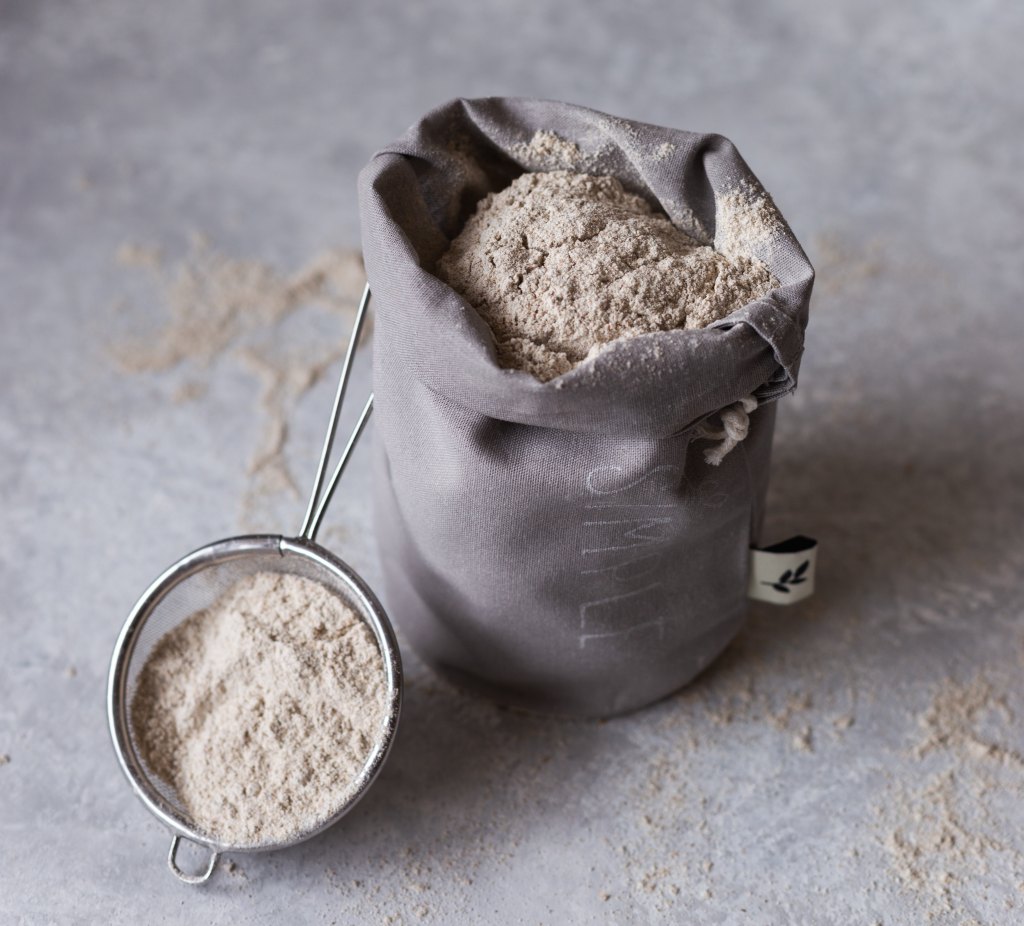
Flour Power: The Foundation of Donut Dough
One of the key ingredients in donut making is flour. The type of flour used, its protein content, and its gluten-forming ability all play a crucial role in the final texture and structure of the donut.
For example, wheat flour contains two proteins called glutenin and gliadin and forms gluten when mixed with water. Gluten provides elasticity and strength to the dough, allowing it to trap air bubbles and rise.
Leavening Agents: The Magic Rise
Donuts can be either yeast-raised or cake-like, and the choice of leavening agents determines their texture.
Yeast is responsible for the light and airy texture of yeast-raised donuts. As the yeast ferments, it feeds on the sugar in the dough and produces carbon dioxide gas. The carbon dioxide becomes trapped, and the dough expands to create a light and fluffy treat.
On the other hand, cake-like donuts are leavened with baking powder or baking soda, which reacts with acid in the batter, releasing carbon dioxide and causing the donut to rise. Cake donuts are generally considered easier to make, since the chemical leavening process takes less time than the yeast fermentation process.
Frying: The Golden Crust
Frying is a critical step in donut making, and it involves more than just dropping dough into hot oil. The temperature of the oil is crucial for achieving the perfect texture. If the oil is too hot, the outside of the donut will cook too quickly, leaving the inside raw. If the oil is too cool, the donut will absorb excess oil and become greasy. Maintaining the right frying temperature ensures a golden, crispy crust while keeping a soft, tender interior.
Flavors and Fillings
While a classic glazed donut is mouth watering, there are endless possibilities for adding flavors and fillings to create a variety of tastes. From chocolate coatings to creamy custards, these additions enhance the overall sensory experience of biting into a donut – and enhance its taste! By experimenting with different ingredients, donut makers can create unique combinations that keep us coming back for more.
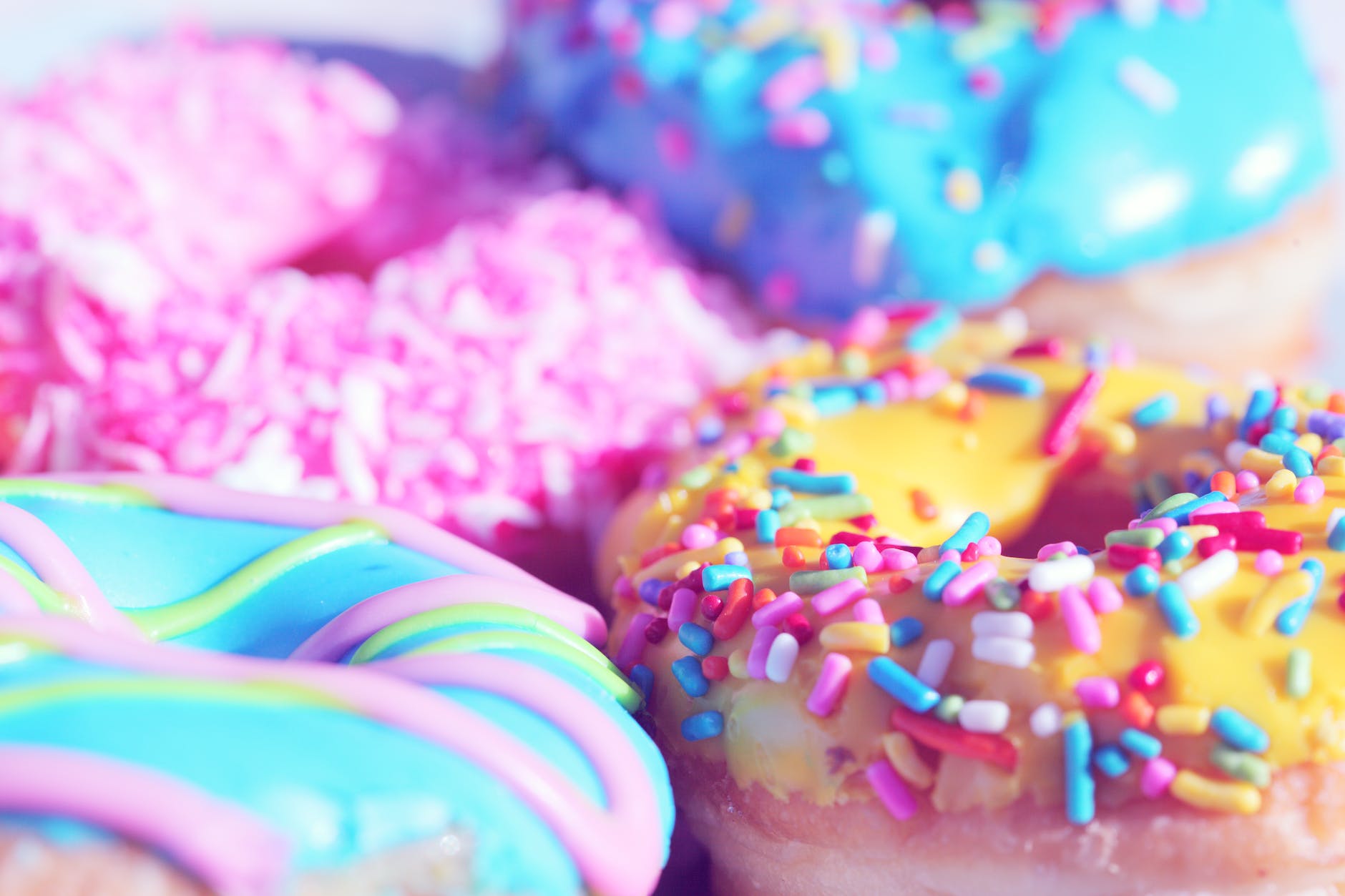
Experience the Magic of Donut Making in Fort Worth, TX
At Yoko Donuts, we take pride in the art and science of crafting the perfect donuts. We’ve mastered the chemistry behind the donut-making process to deliver heavenly treats. From traditional glazed donuts to innovative flavors and fillings, we offer a range of donut and breakfast options.
Visit our shop in Fort Worth, Texas, and witness the mastery of donut-making firsthand. Our donuts are each made with love – and a touch of scientific magic.
 Home
Home 